

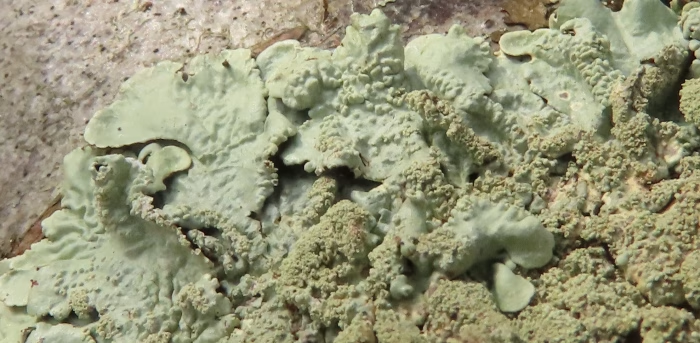
After a year of training with members of the British Lichen Society, it is time to start identifying and recording lichens at Sculpture by the Lakes. It is still early days so it will be necessary to start with the easier ones. But easy, doesn’t necessarily mean common. Nor is it unimportant to record common species. There aren’t enough people interested in lichens to get a good idea of distribution so there are lots of holes on the UK map.
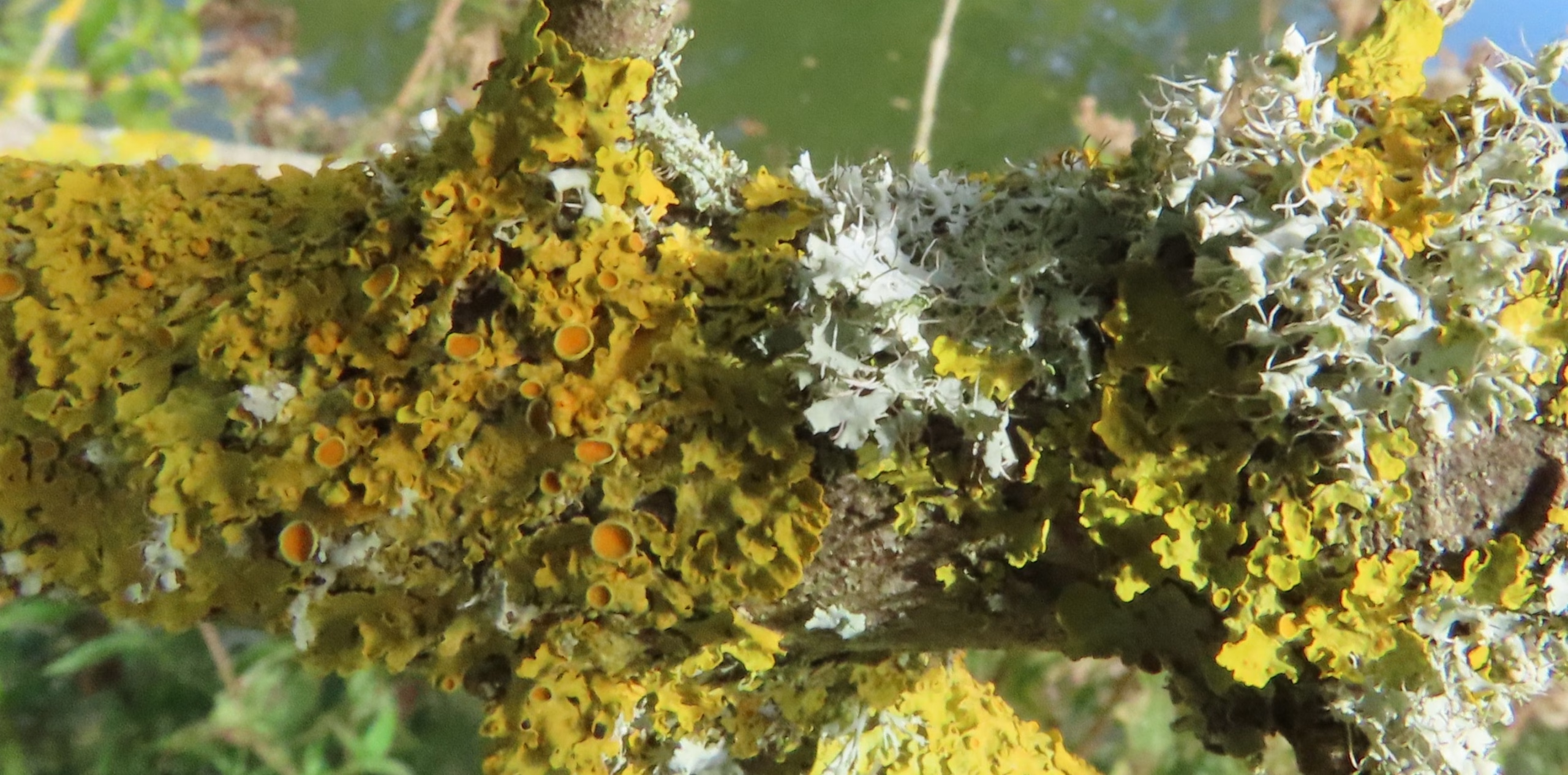
Lichens, like plants, live in communities so, certain species will be found frequently together. The bright orange Xanthoria parietina for example, will often sit beside a grey-green Physcia species with with their distinctive whisker-like projections.
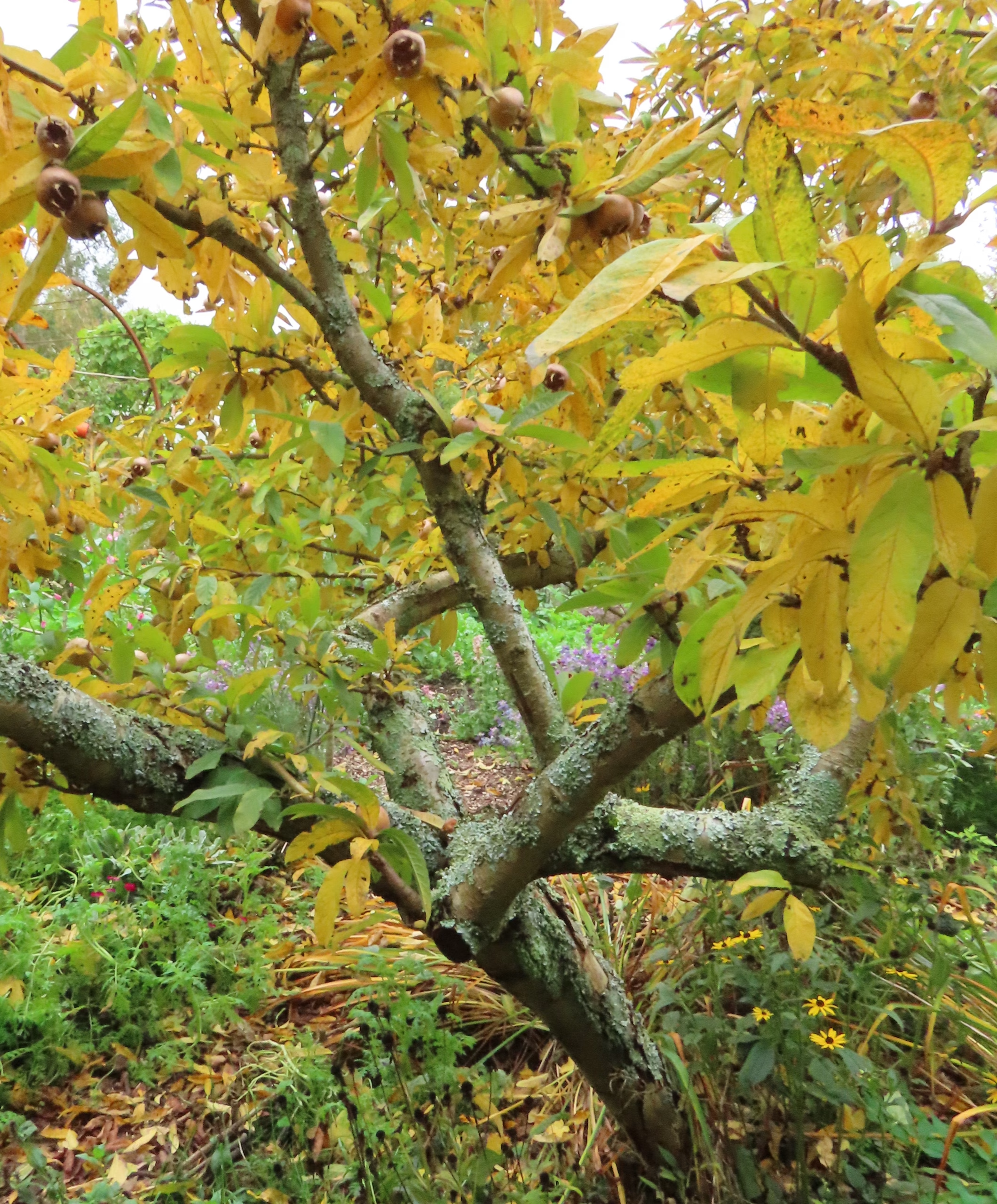
Lichens grow on a multitude of surfaces but our main focus will be those growing on trees. Lichens are slow growing and present all year but winter is a great time to look more closely at them when the trees are bare. Also, winter storms will bring down twigs that can reveal species of lichens that live high up in the tree canopy. It is clear that certain trees are favoured by lichens. One of our top ten lichen-clad trees is the Medlar in the kitchen garden.