

Insects suffered a triple whammy from the weather last year with a wet winter, cold spring and cool summer affecting all stages of their life cycle. This had a knock on effect on many of our birds that rely on insects to feed their young in the breeding season. It is a relief to have had a sunny March to help them recover especially with the swallows arriving back on 25th March, two weeks earlier than the past two years.
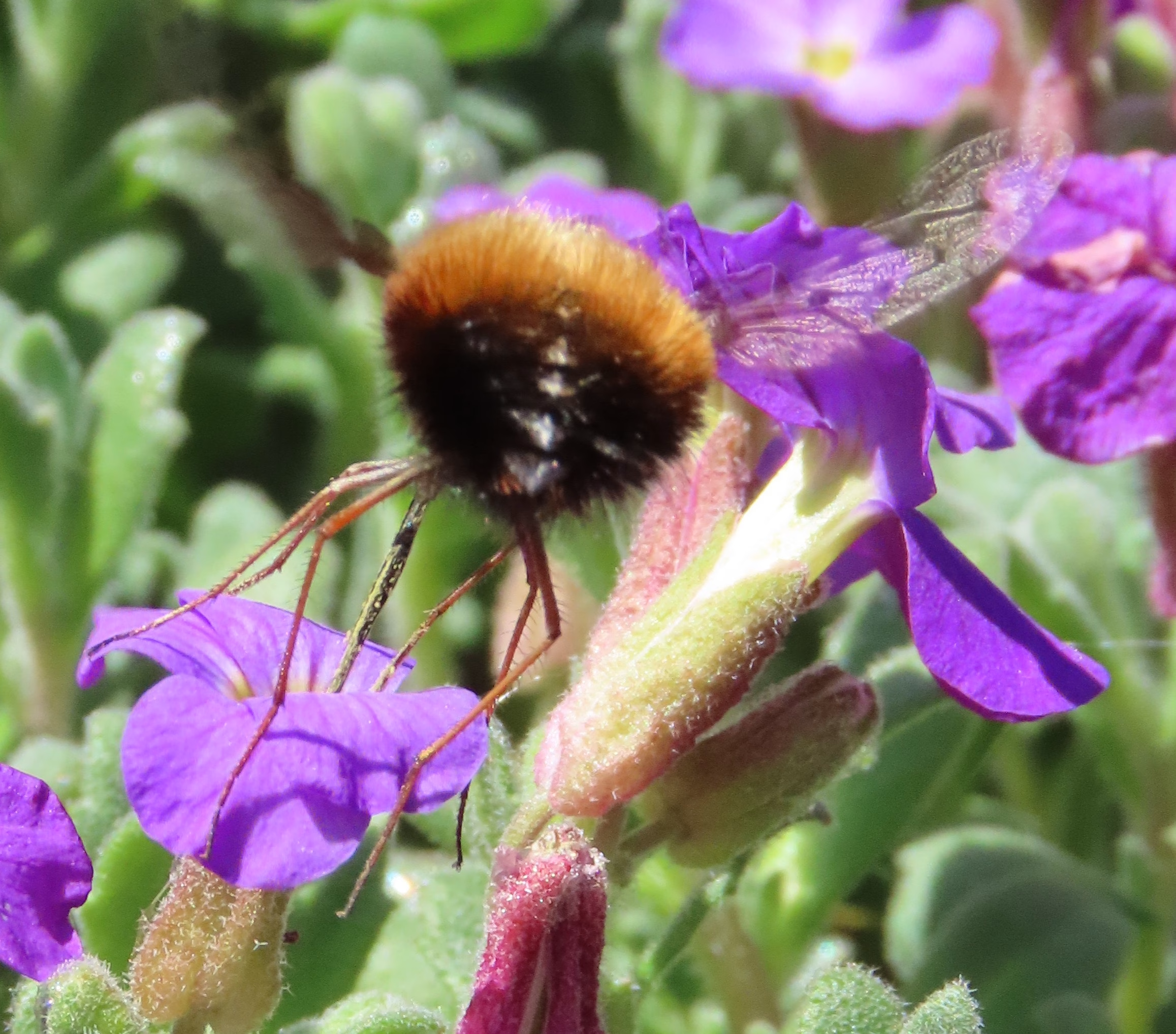
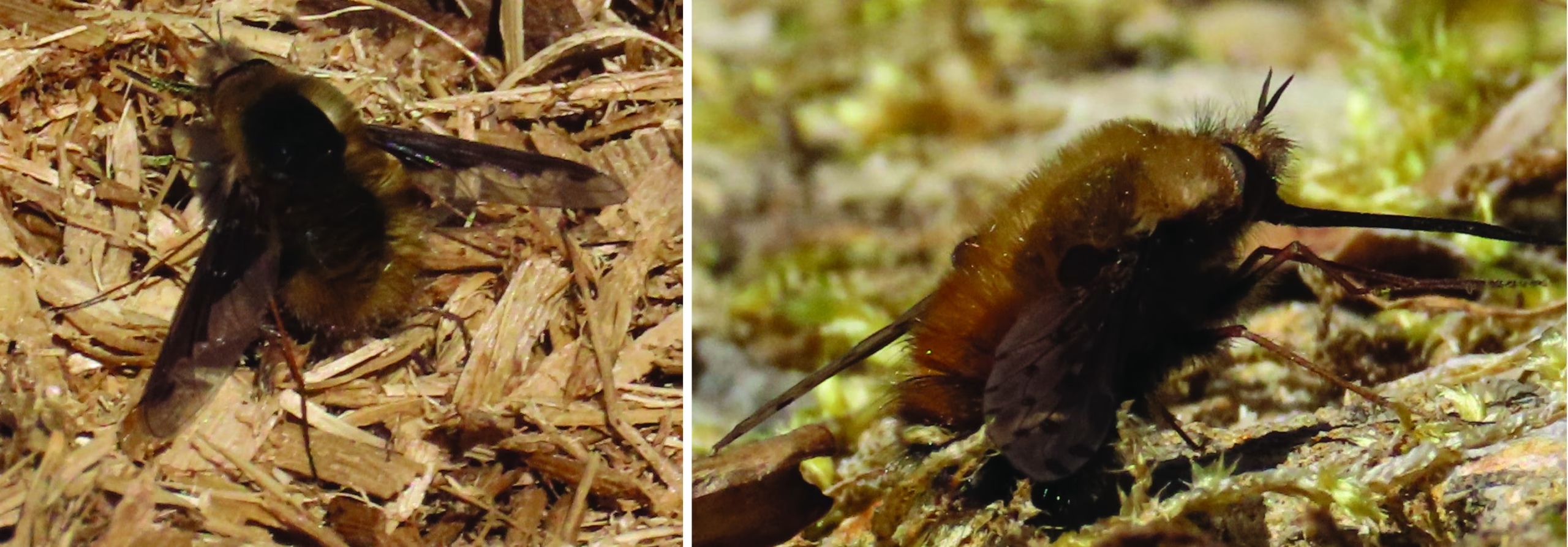
Enjoying, not just the early flowers at Sculpture by the Lake, but watching their visitors is quite revealing. The aubretia on the Wise Walk and primroses on the bank beside the Copse Pond host two species of bee-fly, the common dark-edged bee-fly and the more localised dotted bee-fly with their long proboscises to sip nectar from the depths of the tubular flowers. Identification is easier when they settle for a rest!
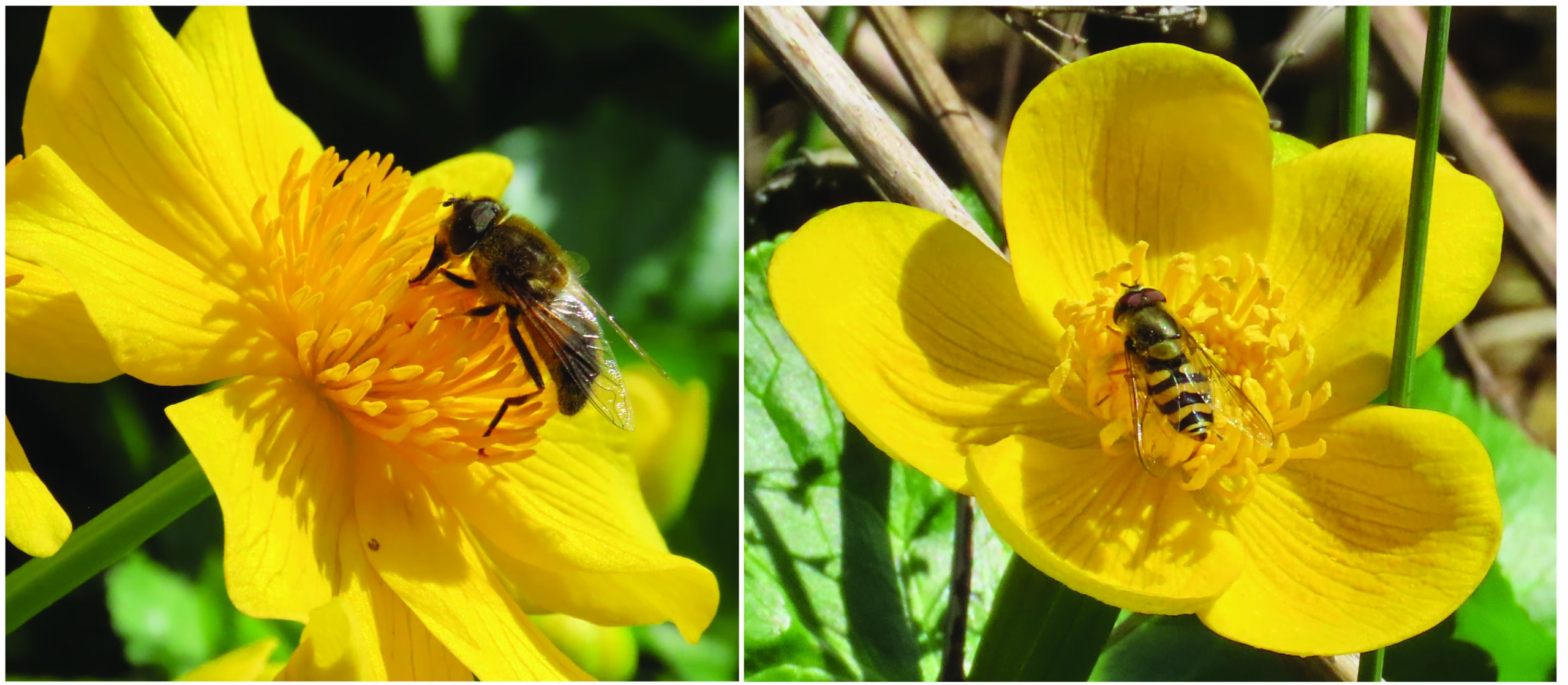
In contrast, the marsh marigolds by the pond, with more open flowers, tend to be visited by species of hover-fly, with their much shorter mouthparts.