
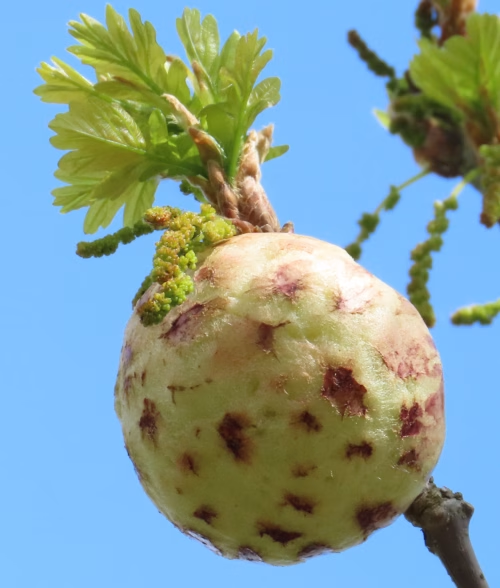
Early spring is a perfect time to see our native trees not just come into leaf but also flowering. Our oak trees are also showing a multitude of oak apples. These are growths or galls caused by one species of gall wasp, Biorhiza pallida. Less obvious, are the marble galls caused by a different gall wasp, Andricus kollari, that form in late summer; green at first turning woody.
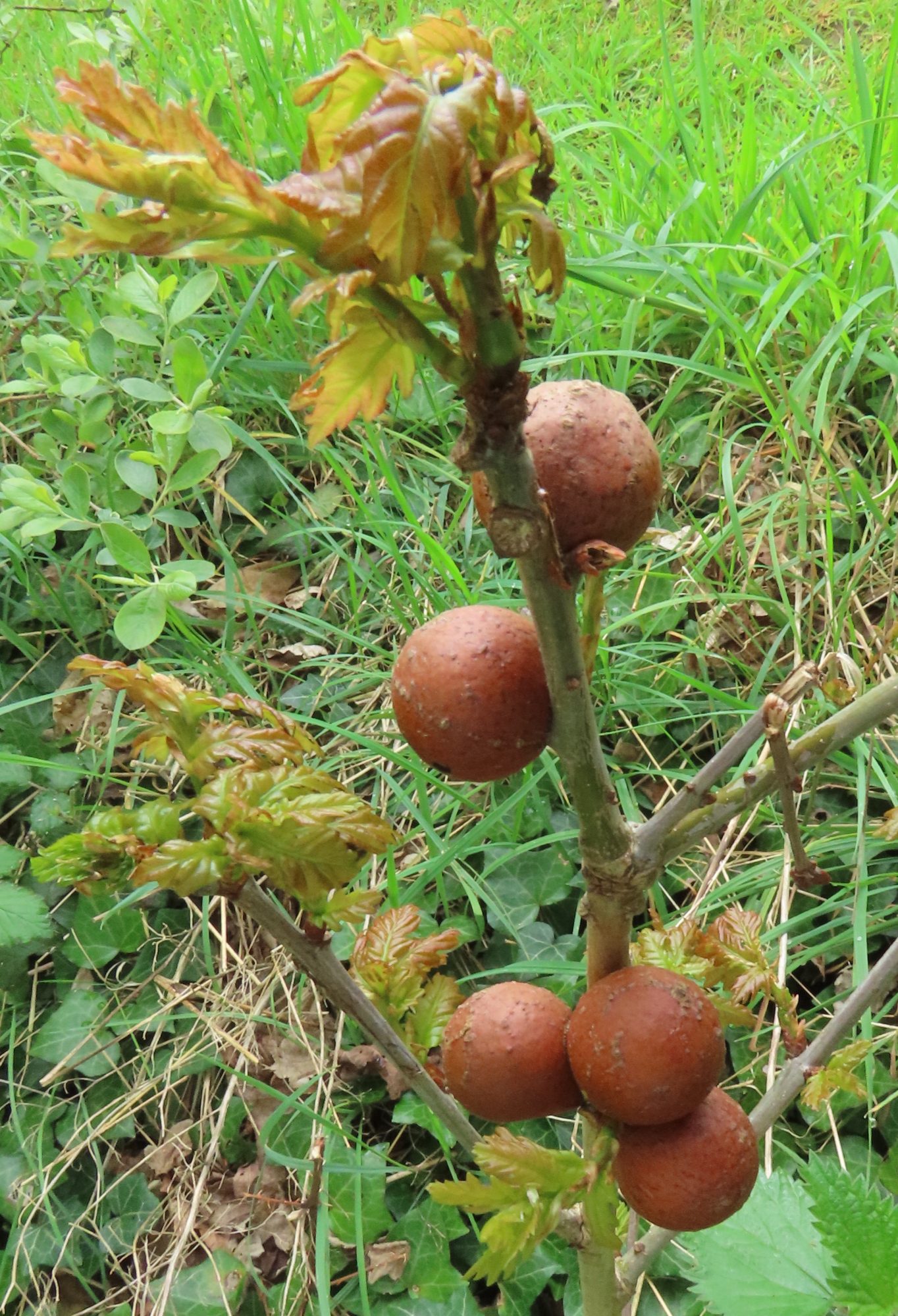
These galls had an important role in our history because they were used to make ink. Important documents such as the Magna Carta were written in oak gall ink. Vast quantities of these galls had to be imported from Europe until the gall wasp was introduced to the UK in the 19th century.
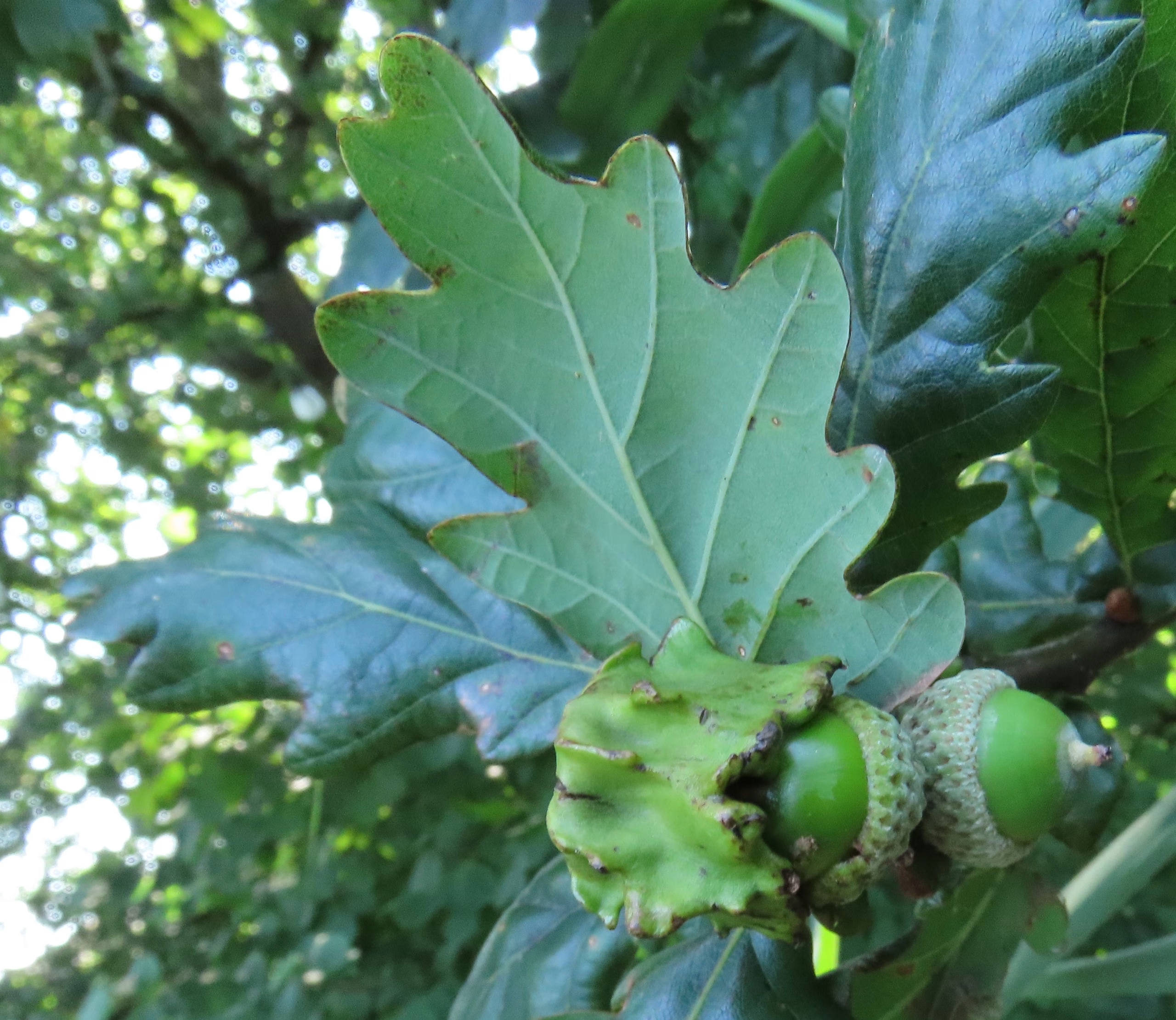
Galls come in a number of curious shapes. In autumn, the knopper gall is common, growing on acorns around the park, caused by yet another gall wasp, Andricus quercuscalicis.
Probably our most remarkable galls are those on the birch trees, the Witches brooms. These grow into massive clumps of twigs, often mistaken for bird nests. These are actually caused by something else entirely, a fungus called Taphrina betulina.
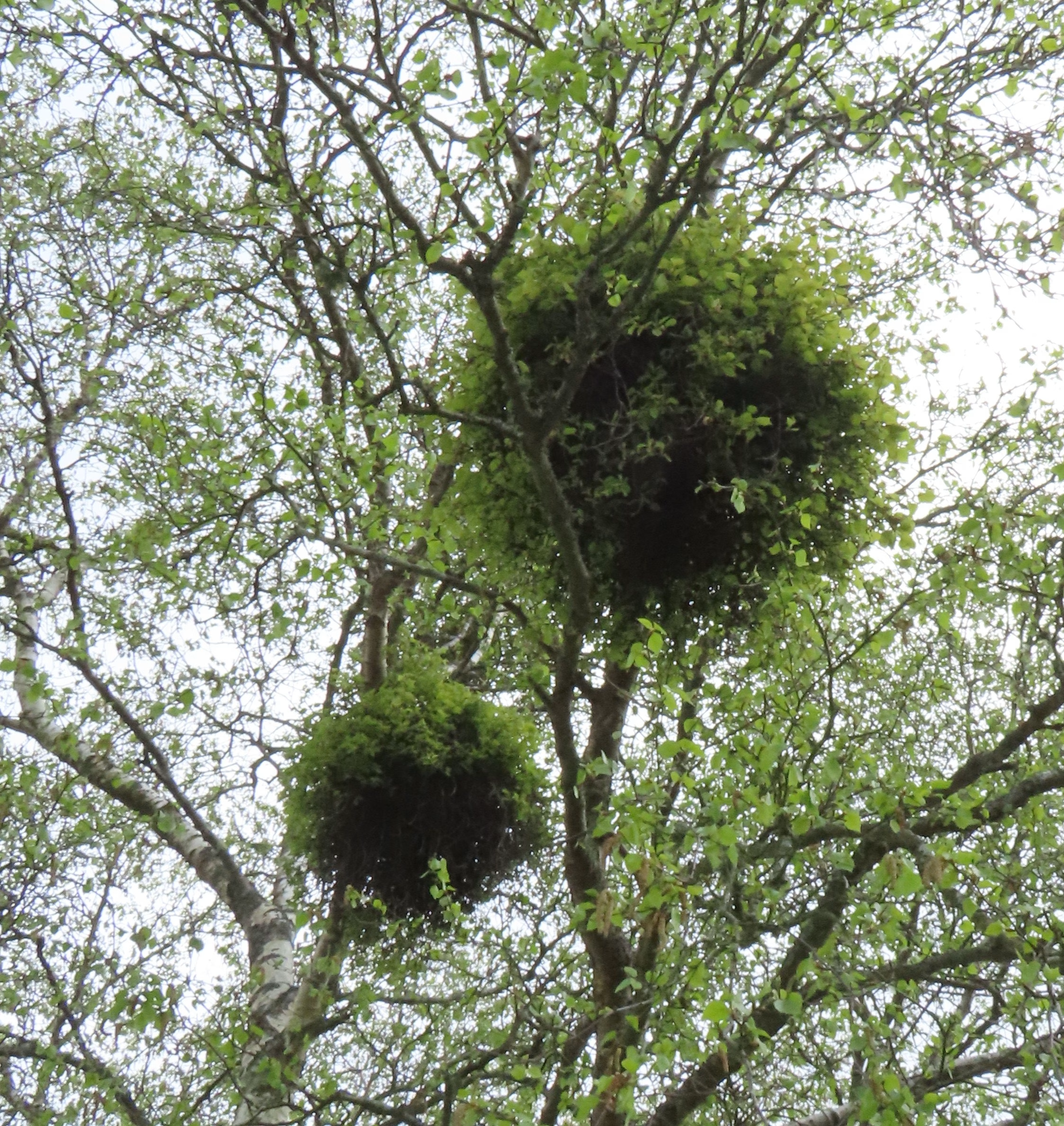
You can see one in cross section displayed by the notice boards at the entrance to the park. Note, these too are coming into leaf! For more information see Britain’s Plant Galls by Michael Chinery.